
Acne and Acne Scarring Treatments WOLLONGONG
Your Path to Clear and Radiant Skin
Acne and acne scarring is a complex, common concern that can present as congestion, blackheads, inflammation, persistent breakouts and post-acne marking.
At Aesthetic Artistry Skin, we take a personalised, evidence-informed approach to acne treatment. We assess the factors influencing your skin and develop a targeted treatment and home-care plan designed to reduce breakouts, support the skin barrier and improve long-term skin health.
Understanding Acne
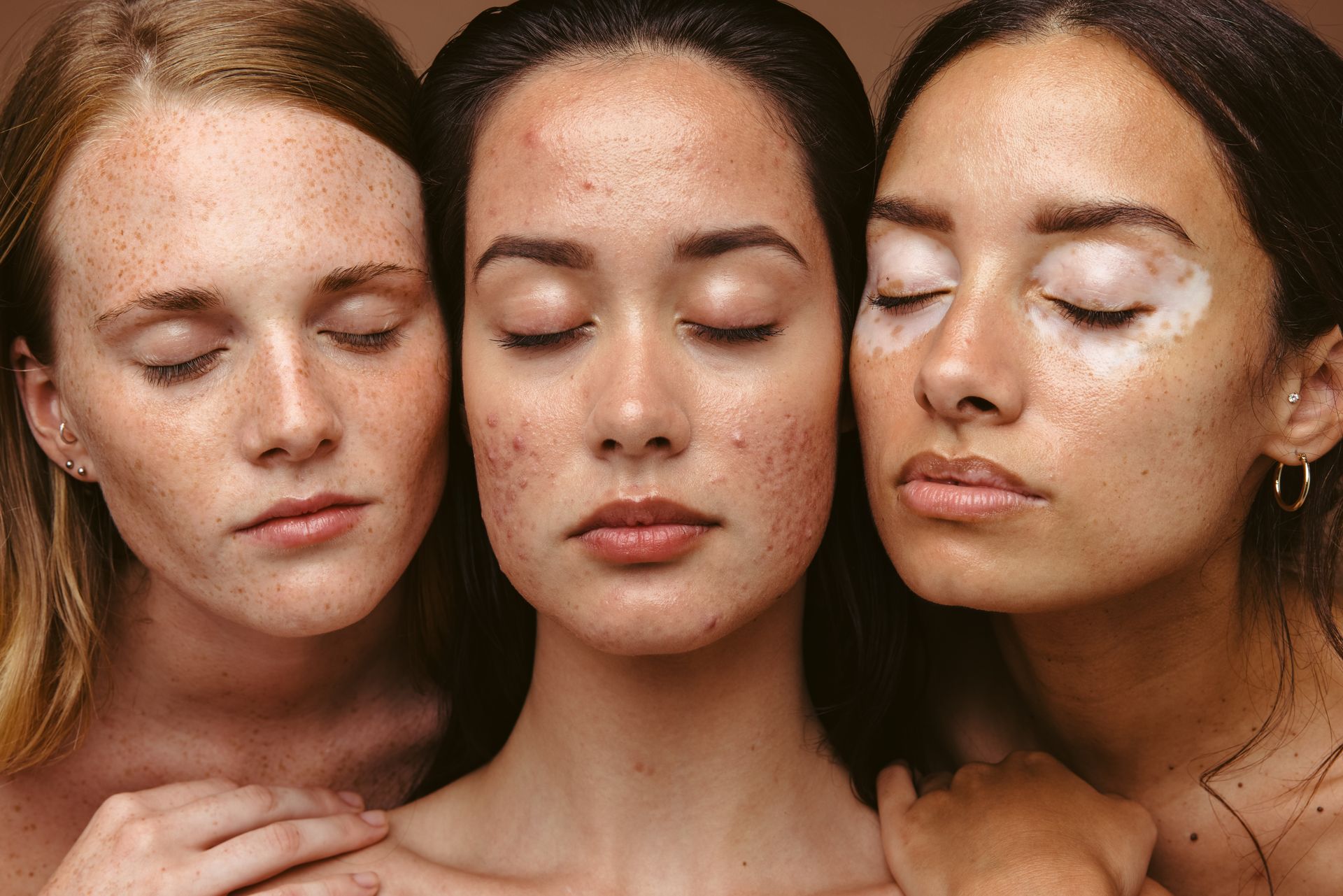
Acne is a complex skin condition that can present as blackheads, whiteheads, congestion, inflamed breakouts or deeper cysts. Its development can be influenced by hormones, genetics, excess oil production, skin-cell turnover, skincare products and lifestyle factors.
Effective acne treatment requires a personalised approach that considers your skin as a whole.
Our Approach
At Aesthetic Artistry Skin, we take a holistic, evidence-informed approach to managing acne.
Here’s what you can expect from your personalised acne treatment plan.
Personalised Assessments
Every acne presentation is different. We begin with a thorough skin assessment to understand your breakouts, congestion, inflammation, skin barrier, current products and relevant lifestyle factors. This guides a personalised treatment and home-care plan for your skin.
Targeted Treatments
Your treatment plan may include clinical peels, LED light therapy, IPL acne treatments, skin needling or other professional skin treatments where appropriate. Each recommendation is selected according to your skin’s condition, tolerance and treatment goals.
Lifestyle Guidance
Acne can be influenced by multiple factors, including hormones, skincare products, daily habits and lifestyle. We help you identify potential triggers and establish a practical skincare routine that supports clearer, healthier and more resilient skin.
Ongoing Support
Improving acne takes time and consistency. We monitor how your skin responds, adjust your treatment and home-care plan when needed, and support you through each stage of the process.
Our Approach to Acne
Clinical Experience
Led by dermal clinician Tijan, our team combines professional training with practical experience treating acne, congestion and post-acne concerns across different skin types and stages.
Evidence-informed Treatments
We carefully research the treatments and technology introduced into our clinic. Every recommendation is made with your skin’s condition, safety and long-term health in mind.
Personalised Care
No two cases of acne are exactly the same. Your treatment and home-care plan is built around your skin, concerns, tolerance, lifestyle and individual goals.
Long Term Skin Health
Our focus extends beyond temporary improvement. We monitor your progress and adjust your plan over time to help improve breakouts, strengthen the skin barrier and support lasting skin health.
Begin with a comprehensive skin consultation. We’ll assess your acne, discuss the factors that may be influencing it and develop a personalised treatment and home-care plan to support clearer, healthier skin.
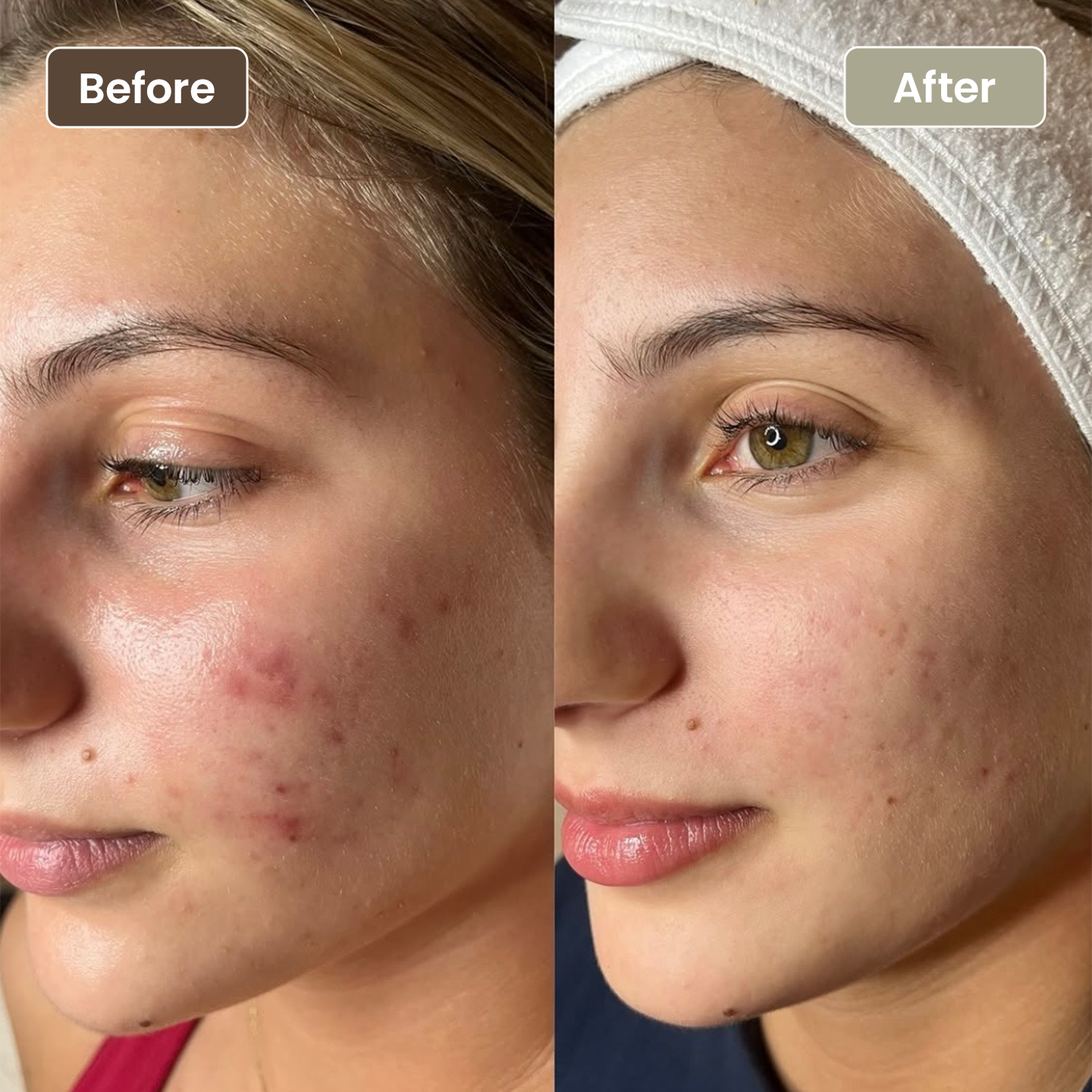
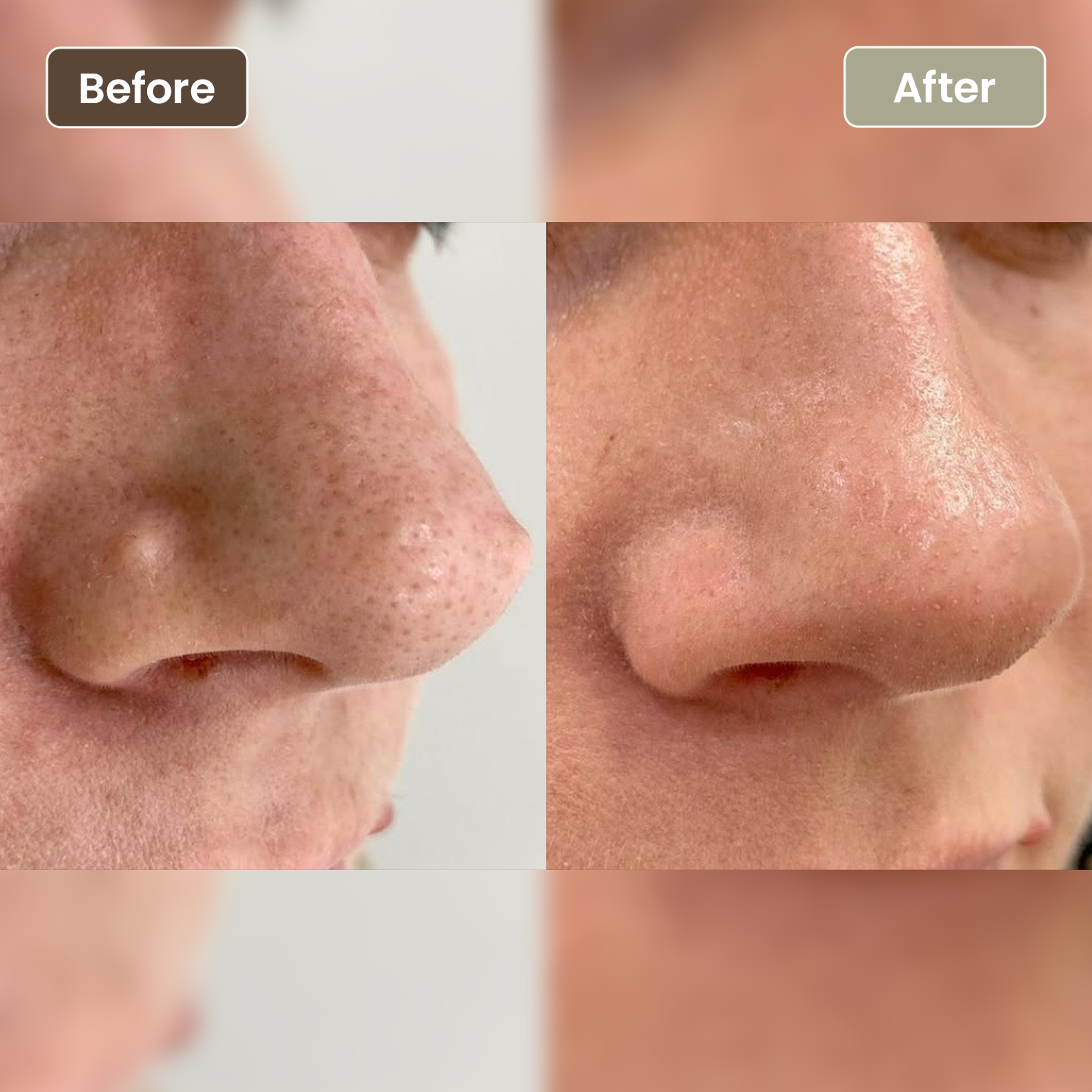
Real Results
See real results from our personalised treatment plans.
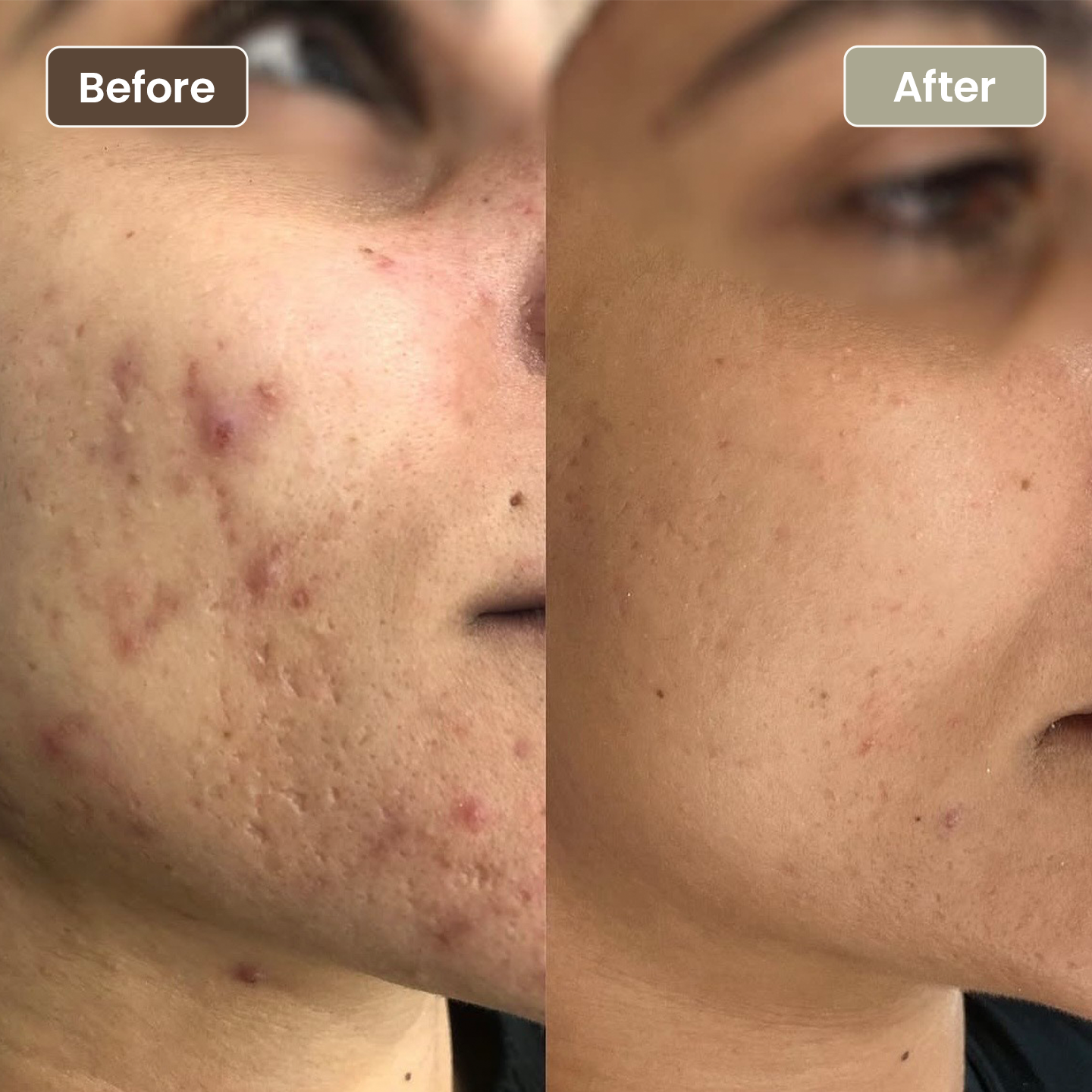
Acne and Scarring
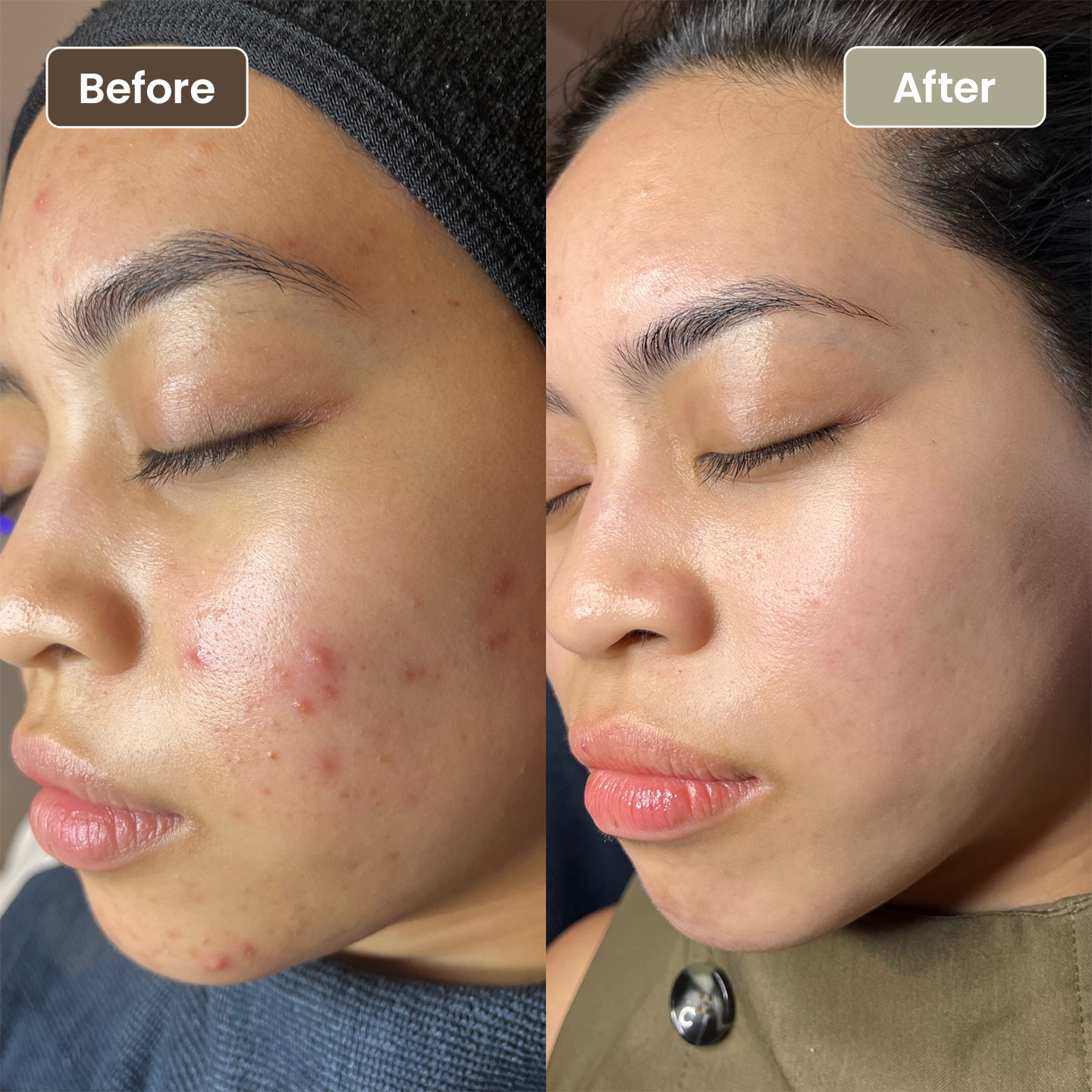
Active Acne
Our Most Popular Acne and Scarring Treatments
-
Skin Assessment and Consultation
Our expert dermal therapists are here to provide personalised solutions that target the root causes of your skin issues and deliver remarkable results. Discover how Aesthetic Artistry Skin can help you achieve healthy, radiant skin.
-
Skin Needling
Experience Skin Needling (Microneedling) at Aesthetic Artistry. We understand the power of advanced skin care techniques, and we're excited to introduce you to the transformative benefits of Dermapen 4 Skin Needling.
-
Chemical Peel
Chemical peels exfoliate the skin's top layer, revealing fresher, smoother skin underneath and reducing the appearance of fine lines and age spots.
-
Advanced Chemical Peel
Advanced Chemical peels can help improve melasma by exfoliating the top layer of skin, reducing the appearance of pigmentation, and promoting a more even skin tone.
-
Advanced Laser Treatment
Q-Switch YAG Laser Treatment, also known as Q-Switch Laser, is a versatile laser that offers different wavelengths to target a variety of skin conditions, including sun spots, melasma, pigmentation and pores.
-
LED Light Therapy
Discover how LED Light Therapy can effectively address these common skin concerns for a more radiant and rejuvenated complexion.
-
Plasma Pen
Learn how Plasma Pen treatments, can effectively address common skin concerns, leaving you with a more youthful and revitalised complexion.
-
Procell Microchanneling
Procell Microchanneling delivers patented human bone marrow-derived growth factors into freshly created microchannels, strengthening collagen architecture to improve the appearance of acne scarring and support clearer, smoother skin.
-
Korean Skincare
Our Dr. Esthé Korean skincare range takes a barrier-first approach to support hydration and calm sensitivity, helping support your acne treatment plan alongside a calmer, more resilient skin barrier.
-
Professional Homecare
Medical-grade skincare from Dermaceutic Laboratoire and Biopelle, prescribed to your specific skin concerns, helping support and extend the results of your acne treatment plan.
Honest Experiences, Real Results
Frequently Asked Questions
-
How common is acne?
Acne is one of the most common skin conditions worldwide, affecting an estimated 80% of people between the ages of 11 and 30, and how acne affects each person's skin varies widely, from occasional breakouts to more severe, scarring presentations. If you're dealing with breakouts, you're far from alone, and it's a genuinely treatable concern rather than something to just wait out.
-
What causes acne and recurring breakouts?
Acne can be triggered by a combination of factors, including hormonal changes, a genetic predisposition, excess oil production, skin cell turnover, certain skincare products, and lifestyle factors such as stress and diet. Whether acne goes on to leave skin scars depends more on its depth and severity, how it's managed, and individual factors like genetics and skin type.
At a skin level, acne lesions form when bacteria, oil and dead skin cells build up within the hair follicles and sebaceous glands and inflame the pore, and it's this inflammatory response, particularly when it becomes prolonged inflammation, that can go on to cause scarring. Acne severity plays a role too: the deeper and more inflamed a breakout, the higher the chance it leaves a lasting mark.
Because acne is rarely caused by a single factor, a thorough assessment helps identify what's contributing to your breakouts.
-
What types of acne can professional skin treatments help manage?
We help manage a range of acne presentations, from mild acne and moderate acne through to severe cystic acne, including blackheads, whiteheads and congestion, as well as the post-acne marking and scarring that can follow.
How acne presents varies significantly from person to person, so treatment for acne is never one-size-fits-all. We match treatment to the type and severity of acne you're experiencing.
-
When should I seek professional help for acne?
Book a consultation if your acne is persistent, worsening, leaving marks or scarring, or not responding to over-the-counter products, since delayed treatment can make breakouts and any resulting marks harder to manage, particularly with severe acne that's more likely to scar.
Effective treatment can also help if you're unsure what's driving your breakouts or want a plan built around your specific skin.
-
Why shouldn't I pick or squeeze my acne?
Picking or squeezing acne lesions increases trauma and prolonged inflammation to the skin, which raises the likelihood you'll develop acne scars, even from breakouts that might otherwise have healed without a mark.
Acne scars can form even from relatively mild breakouts, which is part of why early, professional management matters rather than waiting for acne to worsen or attempting to manage it at home.
The best way to prevent acne scars is to avoid manipulating the skin and to start treatment before inflammation has the chance to cause lasting damage to the surrounding skin, which is what allows scar tissue to form in the first place.
-
What acne treatments do you offer in Wollongong?
At Aesthetic Artistry Skin in Balgownie, Wollongong, our treatment options for acne and acne scarring may include clinical chemical peels, LED light therapy, IPL acne treatments, professional extractions and personalised skincare.
Once active acne is sufficiently controlled, treatments such as Dermapen 4 skin needling may be considered to improve skin texture, post-acne marking and scarring. Every recommendation begins with an assessment of your skin.
-
Which acne treatment is best for my skin?
There is no single treatment that is suitable for every type of acne. The most appropriate option depends on whether your skin is experiencing congestion, inflammation, sensitivity, impaired barrier function, post-acne marking or scarring, and some treatments need extra care or adjusted settings for darker skin types to avoid triggering further pigmentation.
During your consultation, we assess your skin and recommend a personalised combination of in-clinic treatments and home care based on its current needs, with realistic expectations set from the outset.
-
Can professional skin treatments help with hormonal acne?
Yes, though hormonal acne often benefits from a combination approach.
Professional treatments such as chemical peels, LED light therapy, or skin needling can help manage visible symptoms and enhance healing, while addressing lifestyle and skincare factors supports your skin long term.
A skin assessment helps determine the most suitable combination for you.
-
Does acne scarring affect more than just how skin looks?
Acne scarring can affect wellbeing beyond the physical, and it's common for clients to feel self-conscious, frustrated or experience real psychological distress over visible marks left behind.
If scarring or ongoing breakouts are affecting your confidence, that's a valid reason on its own to seek a proper assessment rather than just something to accept.
Our approach focuses on education throughout, so you understand what your skin is doing and why, alongside a realistic treatment plan for the scarring itself.
-
How long does it take to see an improvement in acne?
Acne improvement takes time and varies according to its type, severity and contributing factors, and how quickly acne heals depends on how it's managed along the way.
Some clients notice changes in congestion or inflammation within several weeks, while more persistent acne may require a longer-term plan.
Consistent home care, appropriate treatment intervals and regular reviews allow us to monitor your progress and adjust your plan as your skin changes.
-
Is there downtime after an acne treatment?
Downtime depends on the treatment used. Many acne treatments, such as LED light therapy and professional extractions, involve little to no downtime, while chemical peels or skin needling may cause temporary redness or flaking.
Your therapist will explain what to expect for your specific treatment plan.
-
Which skincare ingredients can help acne-prone skin?
Ingredients such as salicylic acid, niacinamide, benzoyl peroxide, azelaic acid and gentle retinoids are commonly used to clear away dead skin cells, manage congestion, oil production and inflammation in acne-prone skin, while azelaic acid can also help calm the redness and post inflammatory hyperpigmentation acne can leave behind.
Hyaluronic acid is often added alongside these actives to support hydration and the skin barrier while it recovers. Daily sunscreen is also essential during treatment, since UV exposure can darken post-acne marks and slow their fading.
The right combination depends on your skin's sensitivity and current routine, so we recommend a personalised skincare plan rather than a generic routine. Where a client's acne needs prescription-strength retinoids or oral medication, we work alongside their GP or dermatologist rather than prescribing these ourselves.
-
What are the different types of acne scars?
Acne scars, or scar types, generally fall into two categories: atrophic acne scars, also called depressed scars, which are indentations in the skin, and hypertrophic scars, which sit raised above the skin's surface.
Within atrophic acne scarring, there are a few recognised patterns: boxcar scars are broad depressions with defined edges, ice pick scars are narrow, pointed and often the deeper scars found on the cheeks, and rolling scars have sloping edges caused by fibrous bands tethering the skin beneath, giving it a wavy, uneven texture.
Keloid scars are a more pronounced form of raised scarring that extends beyond the original acne spot. Identifying which type of acne scars you have during your consultation helps determine whether an in-clinic treatment such as microneedling or a chemical peel is likely to help, or whether a raised or keloid scar would be better assessed by a dermatologist.
-
How are acne scars diagnosed?
At Aesthetic Artistry, acne scars aren't formally diagnosed the way a medical diagnosis would be, since that sits with a GP or dermatologist.
Instead, your dermal clinician visually assesses the types of acne scars present, along with your skin tone and scarring history, to guide which in-clinic treatments are likely to help and which presentations may be better suited to specialist medical review.
-
What treatment options exist for severe or raised acne scarring?
For atrophic acne scars, including boxcar scars, in-clinic options such as Dermapen 4 skin needling work by creating controlled micro-injury to stimulate new collagen formation, gradually softening the depth of the scar tissue over a course of treatments. More involved atrophic scar techniques, such as punch excision or dermal fillers to restore lost volume, are medical procedures generally performed by a dermatologist or cosmetic physician, sometimes alongside laser resurfacing for surrounding skin texture.
Hypertrophic and keloid scars, often the result of severe acne, need a different approach again, since they're raised rather than depressed. Removing acne scars of this type often involves steroid injections to flatten the tissue, sometimes alongside surgical treatment in more significant cases, which would sit with a specialist surgical or dermatology team rather than an in-clinic dermal service. We're upfront about where our scope ends, and we'll always point you toward the right specialist if your scarring, including keloid scars, needs that level of care.
-
Can acne scarring and post-acne marks be treated?
Yes, the appearance of acne scarring and post-acne marks can often be improved, although the appropriate treatment depends on the concern. Redness, post-inflammatory pigmentation (which can be supported with brightening actives like Vitamin C) and indented, atrophic scars, including boxcar scars, require different approaches. Raised hypertrophic or keloid scarring is a different presentation again, and typically sits outside what an in-clinic skin treatment can address.
Treatment may include clinical peels, IPL, Q-Switched YAG laser or microneedling via Dermapen 4 skin needling, which can help stimulate collagen remodelling for atrophic scarring, once active acne is controlled. A consultation allows us to distinguish the concern and recommend a suitable plan.