
Sun Damage and Skin Pigmentation Treatments wollongong
Restoring Your Skin Tone
Pigmentation, sun damage and uneven skin pigmentation and tone can leave the complexion looking dull, blotchy or less vibrant. At Aesthetic Artistry Skin in Wollongong, we provide personalised pigmentation treatments designed to target concerns including sun spots, age spots, post-inflammatory pigmentation and uneven tone. Using advanced skin treatments selected for your individual needs, we work to restore clarity, improve overall skin quality and support a brighter, more even-looking complexion.
Understanding Pigmentation and Sun Damage
Pigmentation occurs when the skin produces or distributes melanin unevenly, creating dark spots, freckles, sun spots, melasma, post-inflammatory hyperpigmentation and an uneven skin tone. Common triggers include cumulative UV exposure, hormonal changes, inflammation, skin injury and genetics.
Repeated sun exposure can also cause photoaging, contributing to fine lines, wrinkles, rough texture, visible redness and reduced skin firmness. Because different types of pigmentation respond to different treatments, an accurate skin assessment is essential before creating a safe and effective treatment plan.
Our Approach
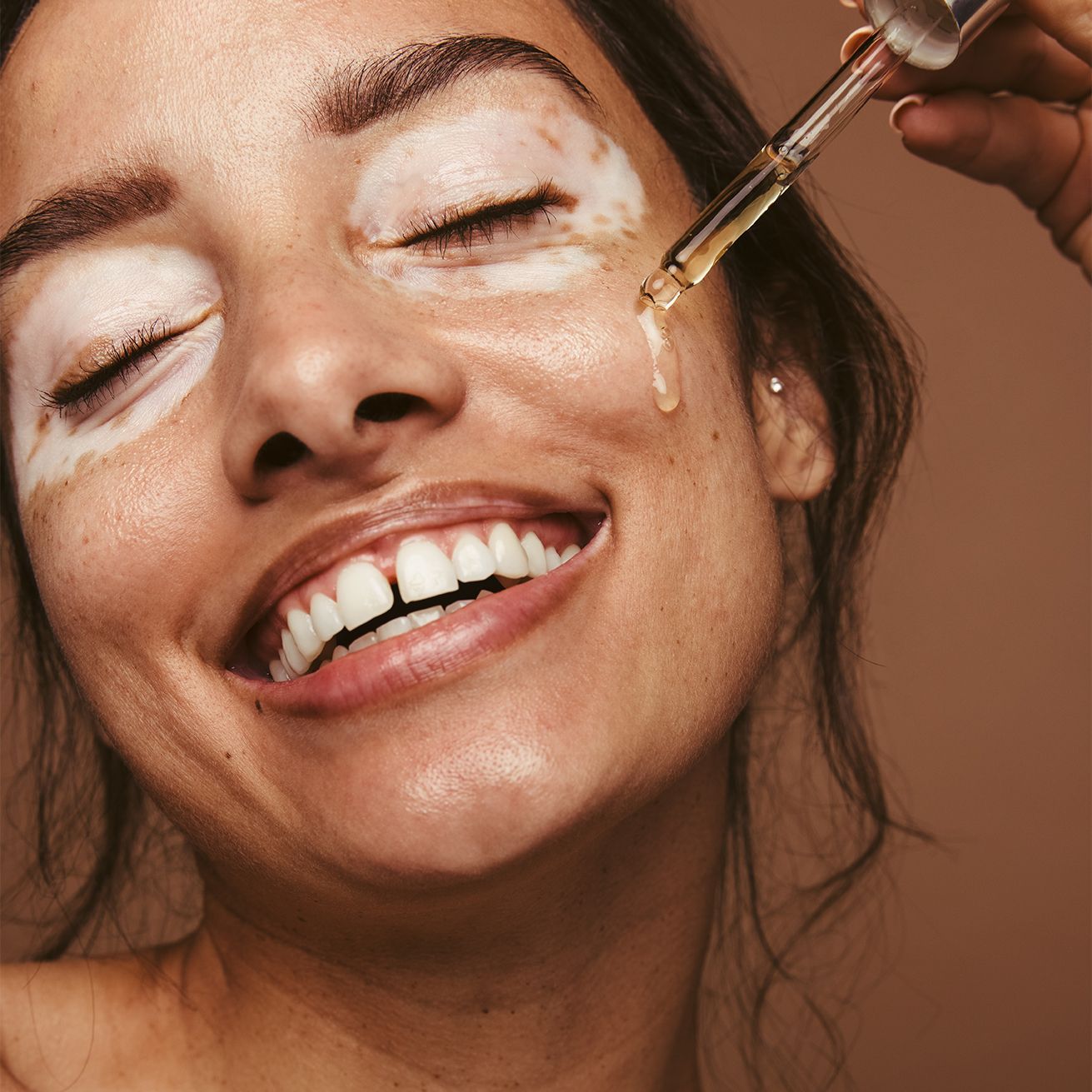
At Aesthetic Artistry Skin in Wollongong, we take a personalised, results-focused approach to pigmentation and sun damage. Because concerns such as sun spots, melasma, post-inflammatory pigmentation and uneven skin tone can have different causes, every treatment plan is selected according to your skin, pigmentation type and individual goals. Our advanced pigmentation treatments may include:
IPL & Laser Pigmentation Treatments
IPL and Q-Switch YAG laser treatments target concerns including sun spots, freckles, uneven pigmentation, redness and visible sun damage. The most appropriate technology is selected following a professional skin assessment.

Chemical Peels
Professionally selected chemical peels exfoliate the skin to improve superficial pigmentation, sun damage, uneven tone and rough texture. Peel type and strength are customised according to your skin and treatment goals.

Personalised Skincare Plans
A personalised homecare plan supports your in-clinic results and the long-term management of pigmentation. We select professional skincare and active ingredients suited to your skin, concerns and tolerance.

Sun Protection
Daily broad-spectrum SPF is essential when managing pigmentation and sun damage. We provide practical sun-protection guidance and recommend suitable sunscreen products to help protect your skin and maintain treatment results.
Our Approach to Pigmentation
Thorough Skin Assessment
Pigmentation can have several causes and requires careful assessment. We examine your skin, history, triggers and current routine before recommending treatment.
Personalised Skin Treatment Plan
Your treatment plan is tailored to your pigmentation type, skin condition, tolerance and goals rather than relying on a one-size-fits-all approach.
Targeted Skin Treatments
Where appropriate, we may combine IPL, Q-Switch YAG laser, chemical peels, professional skincare and other advanced treatments to address pigmentation from multiple angles.
Long-Term Pigmentation Management
Pigmentation can recur, particularly with ongoing UV exposure, hormones or inflammation. We provide homecare, sun-protection guidance and ongoing reviews to help maintain your results.
Pigmentation can be persistent and may recur due to UV exposure, hormonal changes, heat or inflammation. We provide personalised skin care, practical sun-protection guidance and ongoing skin reviews to support long-term management and help maintain your results.
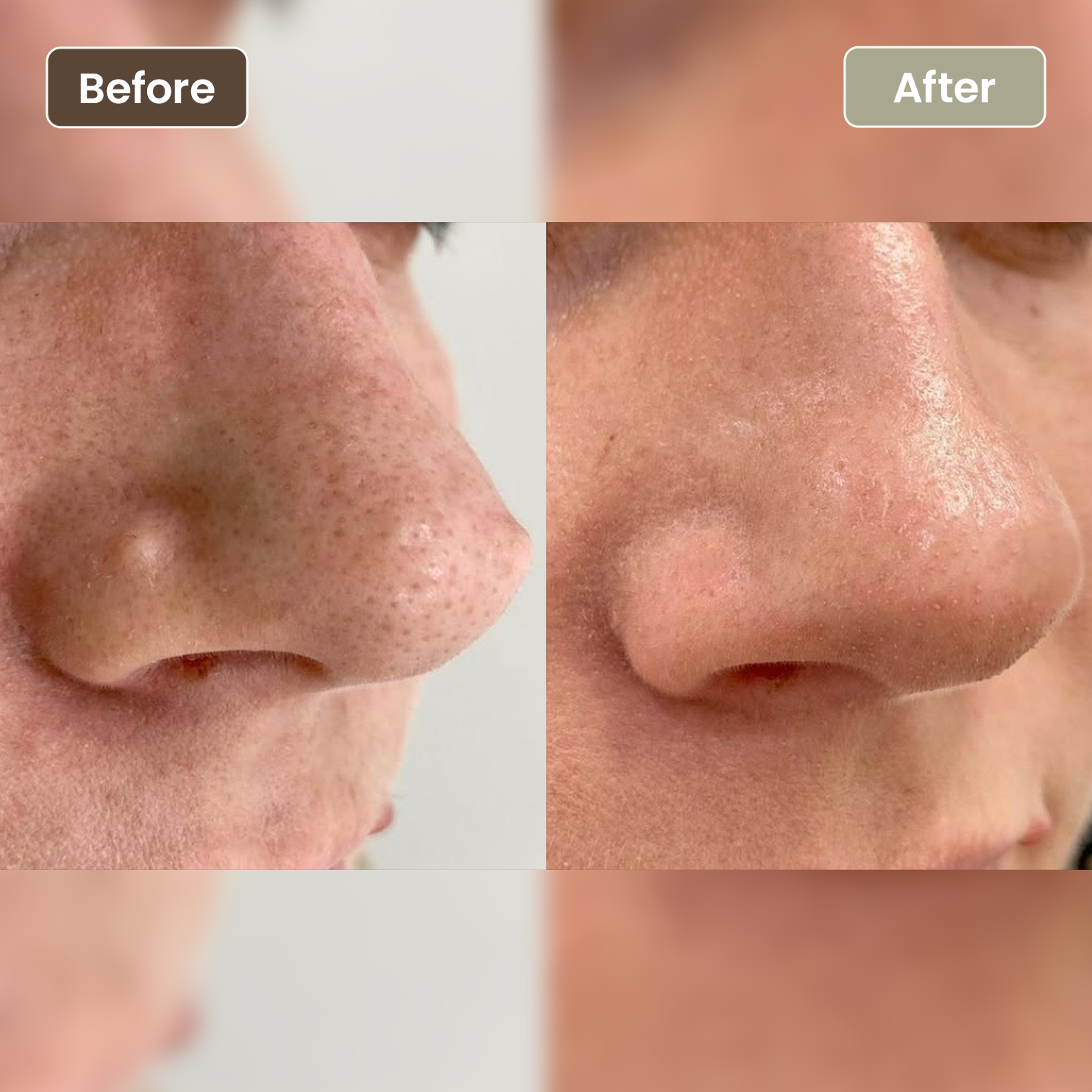
Real Results
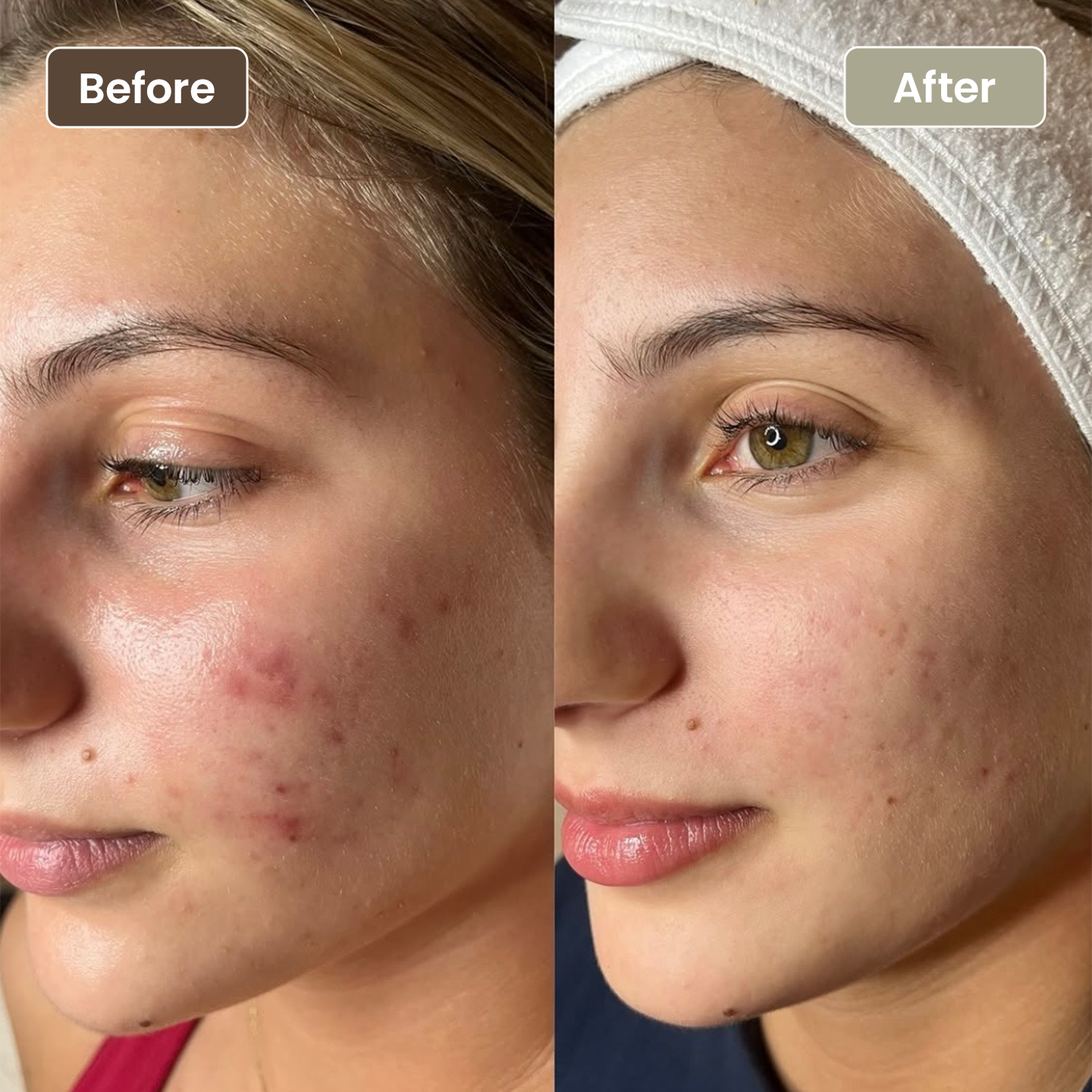
See real results from our personalised treatment plans.
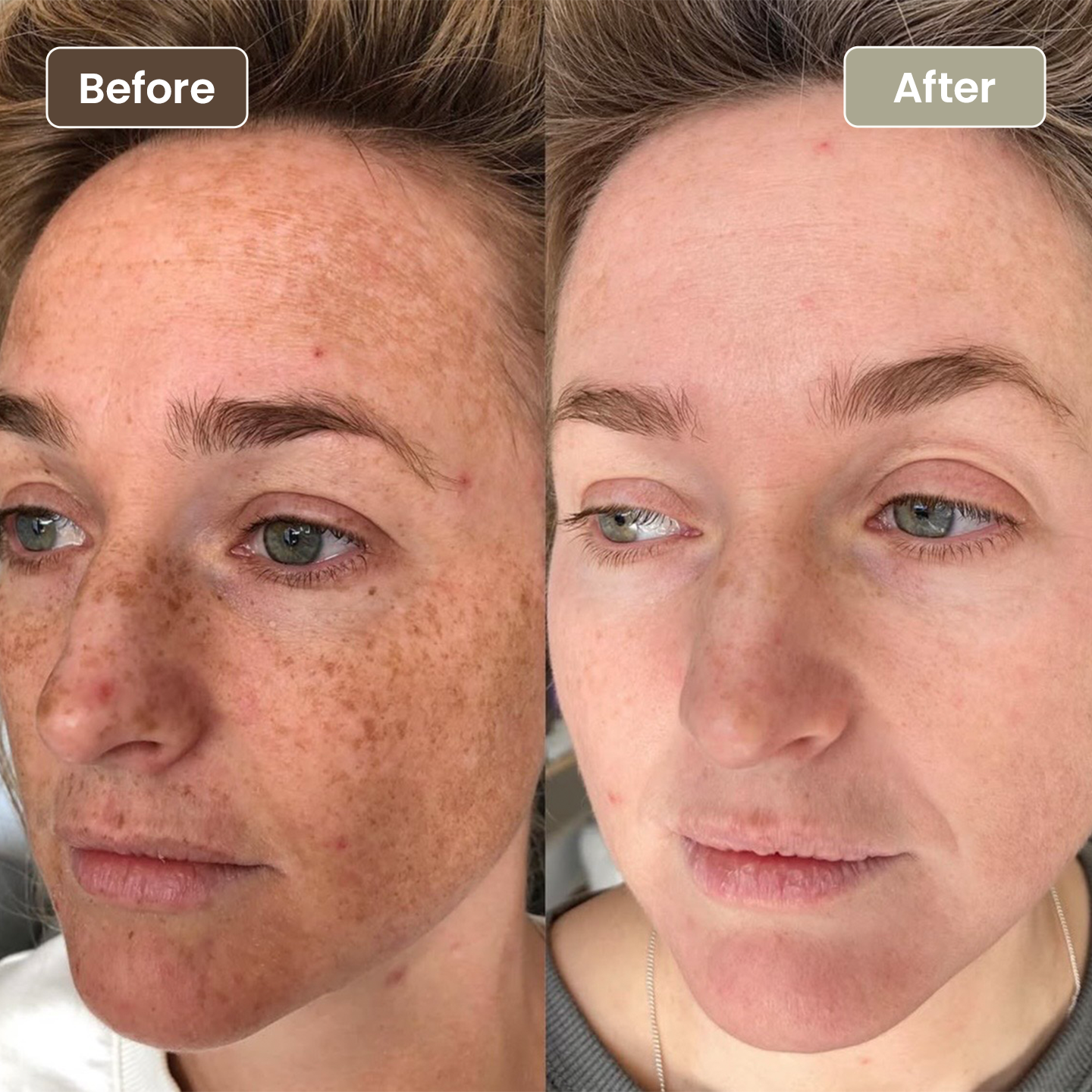
Sun Damage & Pigmentation
Our Most Popular Treatments
-
Skin Assessment and Consultation
Our expert dermal therapists are here to provide personalised solutions that target the root causes of your skin issues and deliver remarkable results. Discover how Aesthetic Artistry Skin can help you achieve healthy, radiant skin.
-
Skin Needling
Experience Skin Needling (Microneedling) at Aesthetic Artistry. We understand the power of advanced skin care techniques, and we're excited to introduce you to the transformative benefits of Dermapen 4 Skin Needling.
-
Chemical Peel
Epidermal peels exfoliate the skin's top layer, revealing fresher, smoother skin underneath and reducing the appearance of fine lines and age spots.
-
Advanced Chemical Peel
Chemical peels can help improve melasma by exfoliating the top layer of skin, reducing the appearance of pigmentation, and promoting a more even skin tone.
-
Advanced Laser Treatment
Q-Switch YAG Laser Treatment, also known as Q-Switch Laser, is a versatile laser that offers different wavelengths to target a variety of skin conditions, melasma, including sun spots, pigmentation and pores.
-
LED Light Therapy
Discover how LED Light Therapy can effectively address these common skin concerns for a more radiant and rejuvenated complexion.
-
Facial Treatments
-
Procell Microchanneling
Procell Microchanneling uses precision microchanneling and your body's own growth factors to support collagen production, helping support the skin's natural renewal process alongside your pigmentation treatment plan.
-
Korean Skincare
Our Dr. Esthé Korean skincare range takes a barrier-first approach to support hydration and calm sensitivity, helping support your pigmentation treatment plan while protecting skin barrier health.
-
Professional Homecare
Medical-grade skincare from Dermaceutic Laboratoire and Biopelle, prescribed to your specific skin concerns, helping support and extend the results of your pigmentation treatment plan.
Honest Experiences, Real Results
Frequently Asked Questions
-
What causes pigmentation, dark spots and sun damage?
Pigmentation irregularities often result from factors like excessive sun exposure, hormonal changes, genetics, and aging. Skin pigmentation is primarily determined by melanin, a pigment produced by skin cells called melanocytes, found in the outermost layer of the skin. When ultraviolet radiation hits exposed skin, it stimulates melanocytes to produce more melanin as a natural defence mechanism, which is what causes sun spots and tanning in the first place. This includes both UVA rays, which penetrate into the deeper layers of the skin, and UVB rays, which act more on the surface and are the main cause of sunburn.
Sun damage is primarily caused by prolonged exposure to UV light, and its visible effects, known as photoaging or photodamaged skin, can include fine lines, deep wrinkles, rough skin texture, reduced skin elasticity and skin laxity, and solar elastosis, a thickened, leathery skin change caused by chronic sun exposure. Over time, this same UV exposure can also affect collagen production, with less collagen formation contributing to the loosening and sagging often seen in older, more sun damaged skin.
-
What are the signs of sun damage?
The signs of sun damage can appear gradually and include brown spots and liver spots (also called sun spots or dark brown age spots), a dull complexion, uneven skin texture, visible broken capillaries or broken blood vessels around the nose and cheeks, and in some cases, spider veins.
More advanced sun damaged skin may also show deep wrinkles, a leathery texture and reduced firmness. If you're noticing several of these changes together, particularly alongside a dull complexion that doesn't respond to your usual skincare, it's worth booking a skin assessment so we can properly identify what's contributing to it.
-
What does sun damaged skin look like?
Sun damaged skin often develops brown pigment in patches, sometimes described as a mottled or blotchy skin colour, alongside visible blood vessels near the surface.
This is the result of cumulative UV exposure over years, including from tanning beds, and can affect not just the face but other frequently exposed skin, such as the upper chest, neck and hands.
Black skin and other darker skin types can also develop sun damage, though pigmentation changes may present differently than on lighter skin, which is part of why an individual skin assessment matters more than assuming a one-size-fits-all pattern.
-
How does UV exposure cause skin damage?
UV exposure causes skin damage at a cellular level. Ultraviolet radiation, including UVB rays, can damage the DNA within skin cells, disrupting how normal cells grow and repair themselves over time.
Repeated or blistering sunburns significantly increase this cumulative damage, which is why protecting your skin from sunburn, not just tanning, matters.
This same process is what drives photoaged skin, contributing to fine lines, pigmentation changes and reduced skin firmness over time.
-
What is the Fitzpatrick scale, and how does skin tone affect sun damage risk?
The Fitzpatrick Scale is used to categorise skin types by how they react to UV radiation, ranging from very fair skin that burns easily to deeply pigmented skin that rarely burns. This matters because darker skin types have higher natural melanin concentrations, which offers some built-in protection against UV damage, while lighter skin types produce less melanin and are generally more susceptible to sun damage and pigmentation changes.
That said, every skin tone can develop sun damage and pigmentation concerns, and everyone benefits from daily sun protection regardless of where they sit on the scale. Understanding your skin type also helps us select the most appropriate treatment and laser settings for your skin, since some technologies carry different risks depending on melanin levels.
-
What is the best treatment for pigmentation and sun damage?
The best approach depends on your pigmentation type, skin tone, and cosmetic concerns. We may recommend IPL, Q-Switch YAG laser, chemical peels containing actives like glycolic acid or other alpha hydroxy acid formulations, or a combination, along with a personalised skincare plan and daily sun protection. These treatments work partly by stimulating collagen production to help reduce wrinkles and improve overall skin quality over a course of sessions.
For more significant skin laxity or deeper textural damage, laser resurfacing through a dermatologist or cosmetic physician may be a more suitable option than what an in-clinic treatment can achieve, and we're always happy to discuss whether a referral makes sense for your skin. We determine your treatment plan during a professional skin assessment.
-
Can melasma and hormonal pigmentation be treated?
Melasma typically appears as darker patches on the face and is strongly influenced by hormonal fluctuations, such as pregnancy or hormonal contraception, and worsens with sun exposure.
Melasma and hormonally influenced pigmentation can improve, but they require a more conservative, ongoing approach than sun-related pigmentation, since aggressive treatment can worsen them.
We typically recommend pigment-regulating skincare, gentle chemical peels or carefully selected laser settings, combined with consistent sun and visible-light protection.
-
How many pigmentation treatments will I need?
The number of sessions needed varies by treatment and individual skin concerns. Many people notice improvement after a single session, while others may need multiple sessions for optimal results.
-
What are the different types of pigmentation?
Pigmentation concerns generally fall into two categories: hyperpigmentation, where the skin produces excess melanin and appears as darker patches, and hypopigmentation, where reduced melanin leaves lighter patches on the skin.
Within hyperpigmentation, common presentations include solar lentigines (flat, dark spots caused by cumulative sun exposure, sometimes called sun spots or age spots), melasma (hormonally influenced dark patches on the face), and post-inflammatory hyperpigmentation, which develops after skin trauma or inflammation such as acne, injury or aggressive treatment.
Identifying which type of pigmentation you have during your consultation helps us recommend the most suitable treatment, since each responds differently.
-
Is there downtime after pigmentation treatment?
Downtime depends on the treatment selected. You may experience temporary redness, warmth, dryness, flaking or darkening of the treated pigment before it gradually clears. Your therapist will explain the expected recovery period and provide personalised aftercare instructions before treatment.
-
Are pigmentation treatments suitable for all skin types and tones?
Different skin types require different treatment approaches. IPL and certain laser settings may not be suitable for every skin tone or pigmentation condition, and sun damaged skin on darker skin tones needs particularly careful settings to avoid triggering further pigmentation. We assess your skin carefully and select appropriate treatments, settings and skincare to minimise risk and support the best possible outcome.
-
How can I prevent pigmentation and sun damage from worsening?
Wearing sunscreen with a broad spectrum sunscreen formula and a sun protection factor of 50+ every day is the single most effective way to prevent further sun damage, and it's worth reapplying every two hours when outdoors, particularly during peak UV hours or at higher altitudes, where sun exposure is more intense.
Protective clothing, sunglasses, shade and a hat also help reduce UV exposure, and avoiding tanning beds entirely is one of the simplest ways to reduce cumulative damage. Avoid picking at inflamed skin and follow your recommended homecare plan, as inflammation and unsuitable products can contribute to further pigmentation.
-
How long do pigmentation treatment results last?
Results vary depending on the cause of the pigmentation and your ongoing exposure to triggers. Treated sun spots may remain reduced, but new pigmentation can develop over time. Melasma and hormonally influenced pigmentation require ongoing management. Daily sun protection, appropriate skincare and maintenance treatments can help preserve your results.
-
How do I begin a pigmentation treatment plan?
Begin with a professional skin assessment at Aesthetic Artistry Skin in Wollongong. We will assess your pigmentation, discuss relevant triggers, including your history of exposure to the sun's rays, and review your current skincare before recommending a personalised treatment and homecare plan for your sun damaged skin.
If your assessment reveals a mark that looks like actinic keratosis, a rough, scaly patch caused by sun damage that can potentially progress to skin cancer if left untreated, or anything else of concern, we'll always refer you to a GP or dermatologist for proper diagnosis rather than treating it in-clinic.