
Melasma treatments wollongong
Reclaiming Beautiful, Even Skin
Melasma is a complex and often recurring form of pigmentation that commonly appears as symmetrical brown or grey-brown patches on the face. It can be influenced by hormones, genetics, UV exposure, visible light and heat.
At Aesthetic Artistry Skin in Balgownie, Wollongong, we take a careful, personalised approach to melasma management. Your plan may combine professional skin treatments, targeted skincare and consistent sun protection to gradually improve uneven pigmentation while supporting long-term skin health.
Understanding Melasma
Melasma is a chronic pigmentation condition that typically appears as symmetrical brown or grey-brown patches across the cheeks, forehead, upper lip, nose or chin. It develops when pigment-producing cells become overactive and may be influenced by hormonal changes, genetics, UV exposure, visible light and heat.
Although melasma can affect all skin tones, it is more common in women and people with medium to deeper complexions. Pigment may sit within the superficial or deeper layers of the skin, which is why careful assessment and ongoing management are important.

Our Approach
At Aesthetic Artistry Skin, we take a personalised, evidence-informed approach to managing melasma.
Here’s what you can expect from your individual pigmentation treatment plan:

Personalised Skin Assessment
We begin by reviewing your pigmentation pattern, skin type, treatment history, current skincare and potential triggers such as hormonal changes, medication, UV exposure, visible light and heat. This helps us determine whether treatment is appropriate and develop a plan suited to your skin.
Treatment Planning
Melasma can worsen when the skin becomes irritated or overheated, so treatment must be approached conservatively. Your plan may include pigment-regulating skincare, superficial chemical peels or carefully selected Q-Switched YAG laser treatments where appropriate, with a focus on gradual improvement and minimising inflammation.
Sun and Visible Light Protection
Daily light protection is essential when managing melasma. We provide guidance on broad-spectrum SPF 50+, correct application and reapplication, wide-brimmed hats and shade. A tinted sunscreen containing iron oxides may also help protect against visible light, which can contribute to melasma.

Understanding Melasma Triggers
Hormonal changes, UV exposure, visible light, heat and skin irritation may all influence melasma. We help you identify relevant triggers and make practical adjustments to your skincare and daily habits.

Follow Up Skin Review and Support
Melasma is a chronic and often recurring condition rather than something that can always be permanently removed. We monitor your skin’s response, adjust your treatment and home-care plan when needed, and provide guidance on long-term maintenance to help manage pigmentation and reduce recurrence.
Your Melasma Treatment Journey
Skin Assessment and Consultation
Your journey begins with a comprehensive skin assessment of your pigmentation, skin type, treatment history, current skincare and potential melasma triggers. This allows us to determine whether professional treatment is appropriate for your skin.
Preparing Your Skin for Melasma Treatments
Before commencing more advanced pigmentation treatments, we may recommend a personalised home-care routine to support the skin barrier, regulate excess pigment and prepare your skin for treatment.
Professional Skin Treatment
Your plan may include professional skincare, superficial chemical peels or carefully selected pigmentation technology where appropriate. Treatments are chosen according to your melasma presentation, skin tone, sensitivity and response.
Long-Term Melasma Management
Melasma is a recurring condition that requires consistent management. Daily SPF, visible-light protection, appropriate skincare and regular reviews help maintain improvement and reduce the likelihood of pigmentation returning.
Begin with a personalised skin assessment. We’ll review your pigmentation, discuss the factors that may be influencing it and develop an appropriate treatment and home-care plan to support a more even skin tone.
Book your melasma consultation at Aesthetic Artistry Skin in Balgownie, Wollongong.
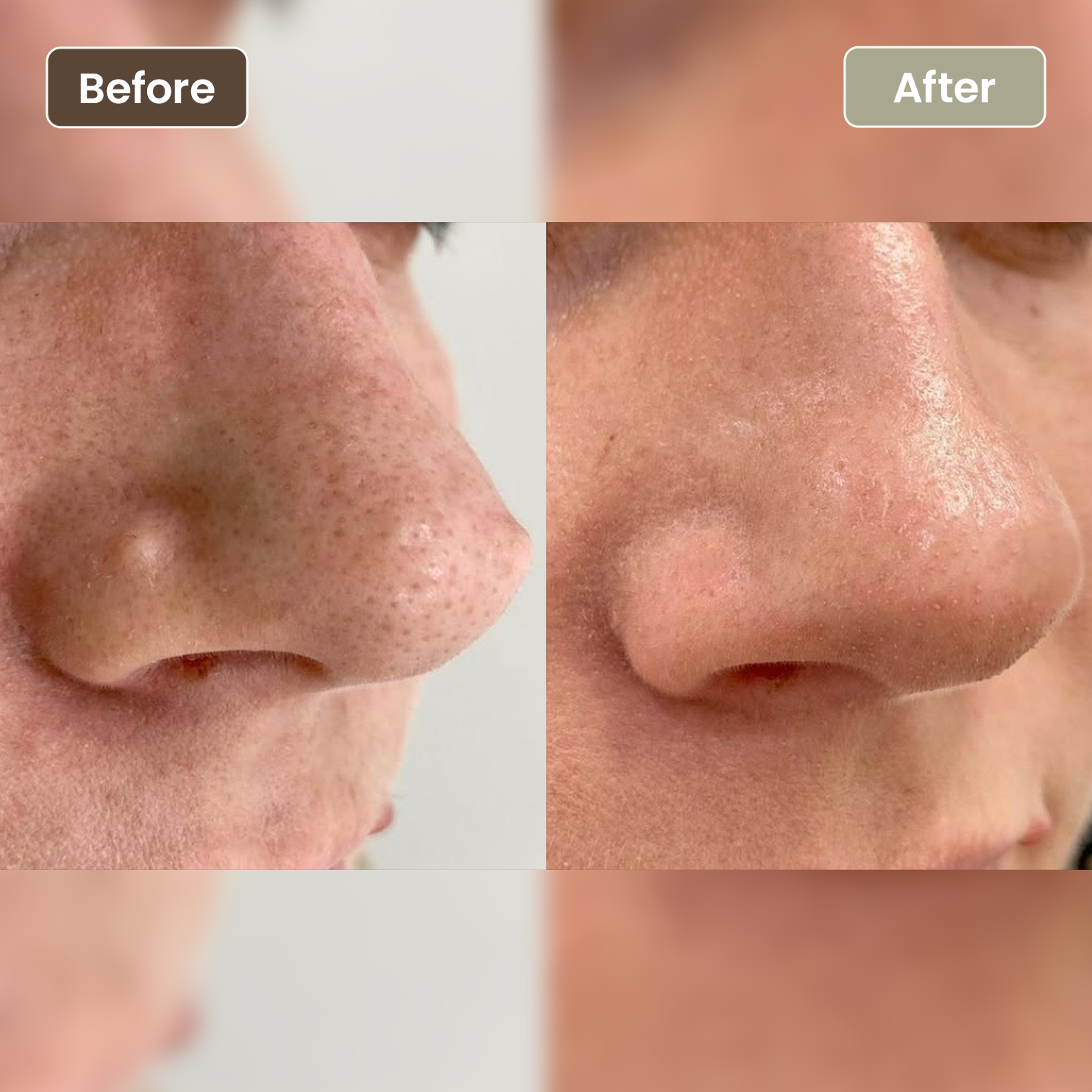
Active Acne & Redness
Congested Pores
Sun Damage & Pigmentation
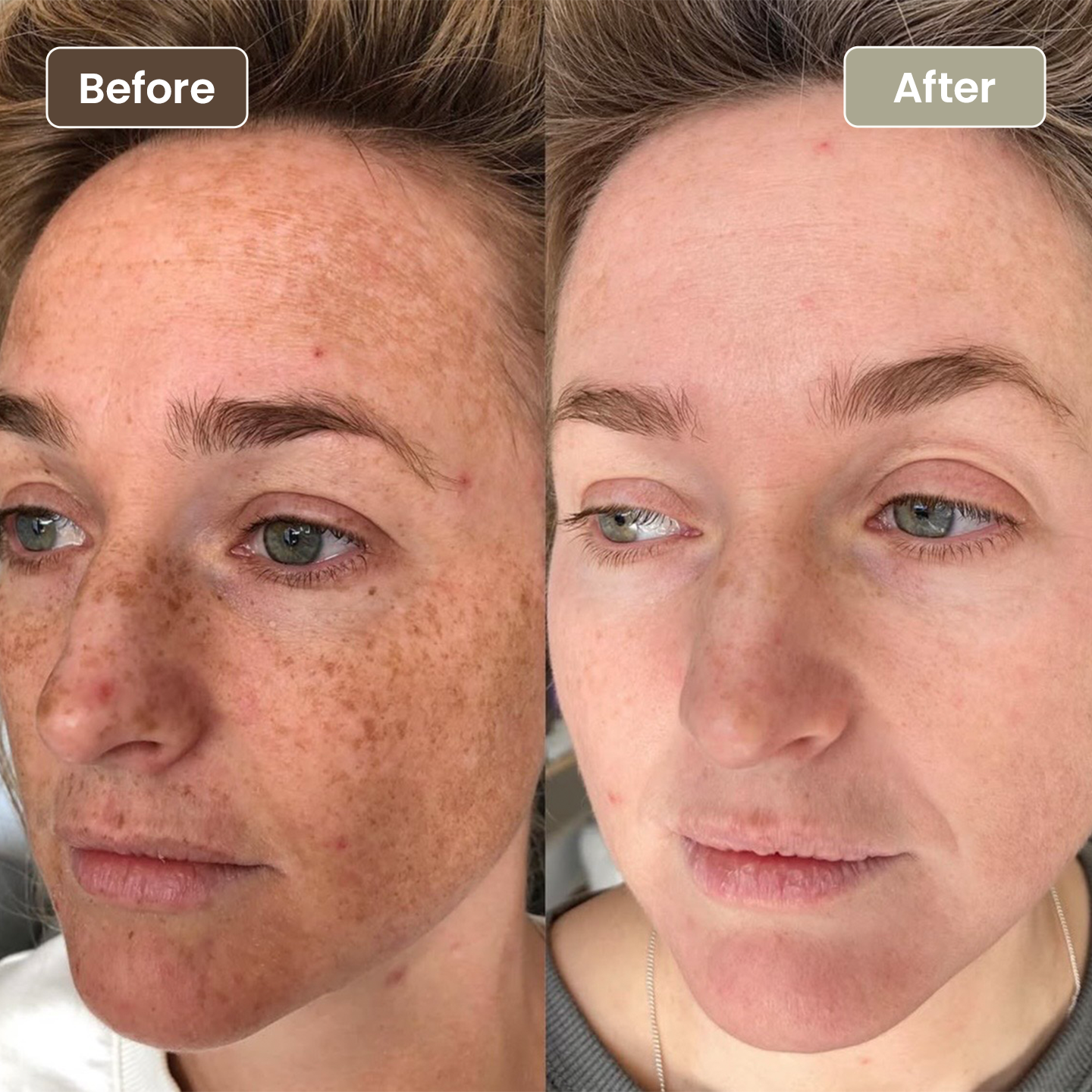
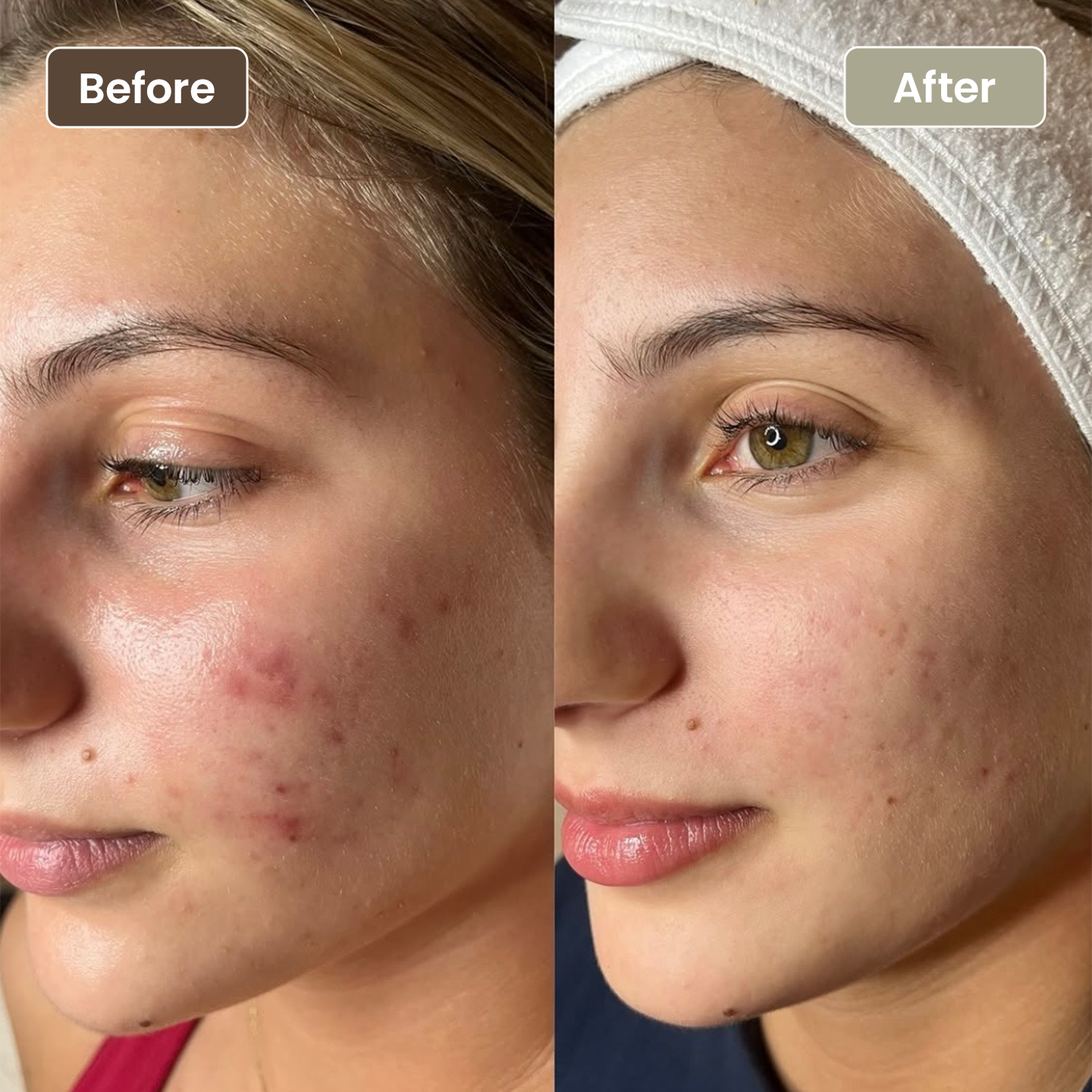
Real Results
See real results from our personalised treatment plans.
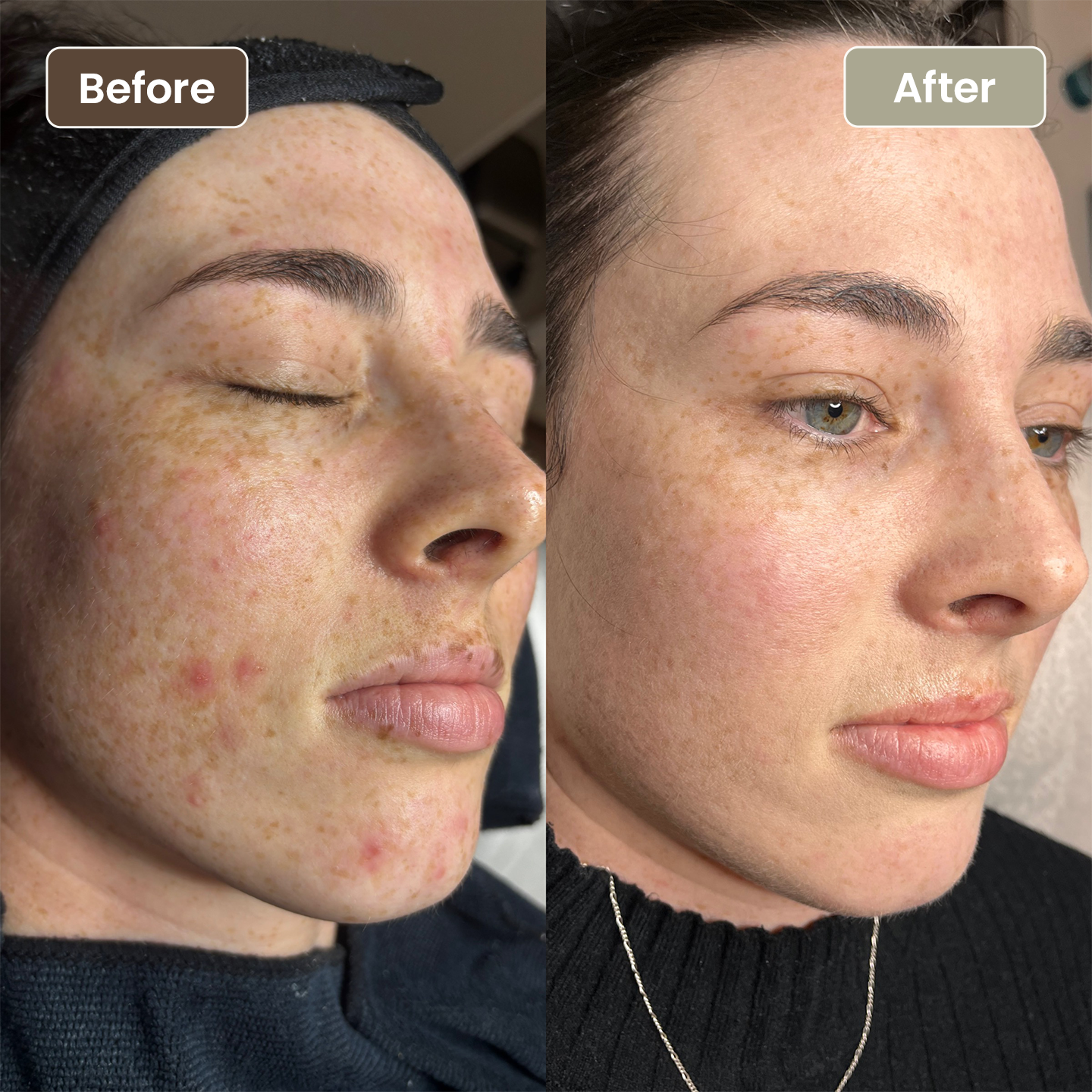
Melasma
Our Most Popular Melasma and Skin Pigmentation Treatments
-
Skin Assessment and Consultation
Our expert dermal therapists are here to provide personalised solutions that target the root causes of your skin issues and deliver remarkable results. Discover how Aesthetic Artistry Skin can help you achieve healthy, radiant skin.
-
Chemical Peel
Chemical peels exfoliate the skin's top layer, revealing fresher, smoother skin underneath and reducing the appearance of fine lines and pigmentation.
-
Advanced Chemical Peel
Advanced Chemical peels can help improve melasma by exfoliating the top layer of skin, reducing the appearance of pigmentation, and promoting a more even skin tone.
-
Advanced Laser Treatment
Q-Switch YAG Laser Treatment, also known as Q-Switch Laser, is a versatile laser that offers different wavelengths to target a variety of skin conditions, including sun spots, melasma, pigmentation and pores.
-
LED Light Therapy
Discover how LED Light Therapy can effectively address these common skin concerns for a more radiant and rejuvenated complexion.
-
Facial Treatments
-
Professional Homecare
Medical-grade skincare from Dermaceutic Laboratoire and Biopelle, prescribed to your specific skin concerns, helping support and extend the results of your melasma management plan.
Honest Experiences, Real Results
Frequently Asked Questions
-
What is melasma and how is it different from other pigmentation?
Melasma is a chronic form of hyperpigmentation that appears as symmetrical brown or grey-brown patches, most commonly on the face. Unlike sun spots or post-inflammatory pigmentation, melasma is strongly influenced by hormones, UV exposure, visible light and heat, and tends to be more persistent and prone to recurrence than other forms of pigmentation.
-
What causes melasma?
The exact cause of melasma is not fully understood, but it is primarily attributed to an overproduction of melanin, the pigment responsible for skin color. Several factors are believed to contribute to melasma development, including:
- - Hormonal Changes
- - Excessive Sun Exposure
- - Genetics
- - Certain Medications and Cosmetic Products
- - Other Factors Like Thyroid Dysfunction
-
Can hormonal changes trigger melasma?
Yes. Melasma commonly develops or becomes more noticeable during pregnancy, while taking hormonal contraception or during other periods of hormonal change. Professional skin treatments may help manage the resulting pigmentation but cannot treat the underlying hormonal cause.
-
Can melasma be completely cured?
Melasma is a chronic, often recurring condition rather than something that can be permanently cured. With the right combination of professional treatment, daily sun and visible-light protection, and ongoing maintenance, pigmentation can improve significantly and be better controlled over time.
-
What melasma treatments do you offer in Wollongong?
Depending on your skin and the depth of pigmentation, we may recommend pigment-regulating skincare, superficial chemical peels or carefully selected Q-Switched YAG laser treatments. Every plan begins with a skin assessment to determine the safest and most effective approach for your melasma.
-
Can chemical peels help improve melasma?
Carefully selected superficial chemical peels may help improve epidermal pigmentation and uneven skin tone by supporting controlled skin renewal. However, melasma-prone skin can become darker if it is irritated or treated too aggressively. Peel type, strength and frequency must therefore be selected according to your skin and used as part of a broader management plan.
-
Is Q-Switched YAG laser suitable for melasma?
Low-energy Q-Switched YAG laser toning may be considered for selected melasma presentations, but it is not appropriate for everyone. Melasma can worsen or return following aggressive laser treatment, so conservative settings, appropriate skin preparation and ongoing light protection are essential. Suitability is determined during your skin assessment.
-
How long does it take to see an improvement in melasma?
The timeline for seeing results from melasma treatment varies depending on the treatment method and the individual's response. Some people may notice improvements in a few weeks, while others may take several months to achieve the desired outcome.
-
Are there side effects or downtime after melasma treatment?
Melasma treatment side effects can vary depending on the treatment used. Some treatments may cause temporary redness, peeling, or sensitivity. Discuss potential side effects with your therapist before treatment.
-
Can melasma return after treatment?
Yes. Melasma can return or become more noticeable following UV exposure, visible light, heat, hormonal changes or skin irritation. Daily broad-spectrum SPF 50+, a wide-brimmed hat, appropriate skincare and maintenance treatments can help protect improvement. Tinted sunscreen containing iron oxides may provide additional protection from visible light.
-
How do I know whether my pigmentation is melasma?
Melasma often has a symmetrical pattern, but several pigmentation conditions can look similar. During a skin assessment, we review the appearance, history and potential triggers affecting your pigmentation in order to accurately create your skin care at home plan and treatment plan.